

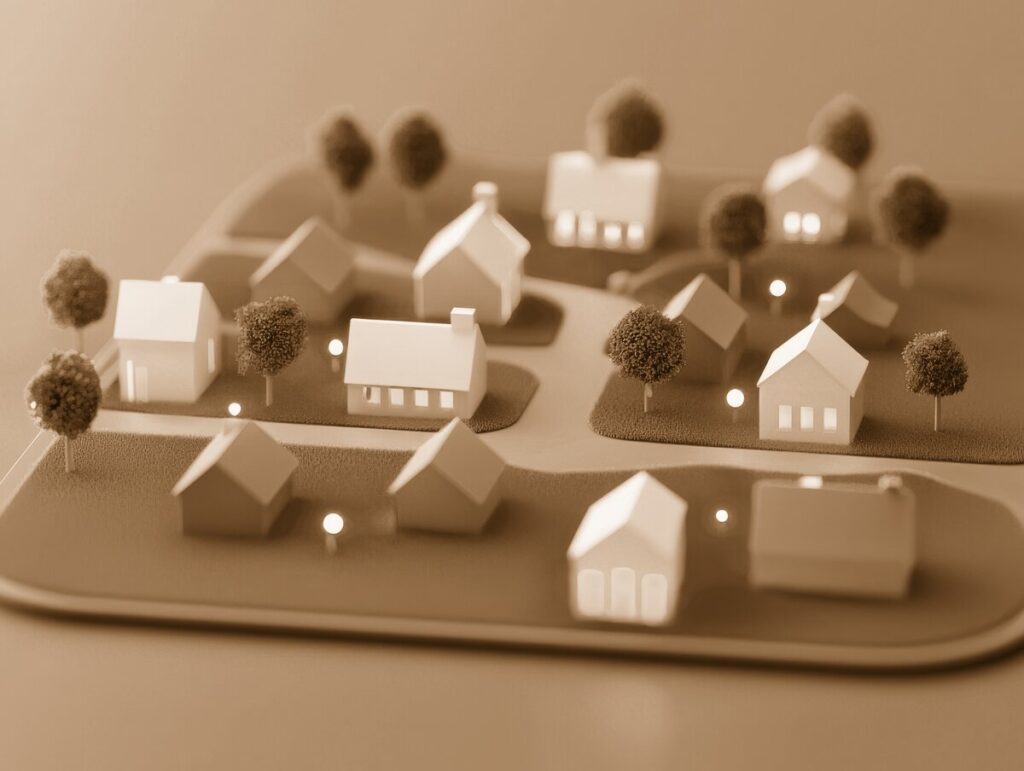
Marquis Ellis Crossing is one of those rare neighborhoods in Research Triangle Park, NC, where past and present harmoniously meet. Nestled between Ellis Road and the high-tech hum of RTP, this vibrant community is more than just a cluster of homes—it is a living tribute to local history, a gathering place for families, and a testament to the dynamic growth of Durham’s eastern edge.
Roots: The Origins of Marquis Ellis Crossing
The story of Marquis Ellis Crossing stretches back to a time before the tech boom transformed the area. The neighborhood owes its name in part to Ellis Road, an artery that has guided travelers and settlers for generations. The “Marquis” element honors Marquis de Lafayette, the famed French general and hero of the American Revolution, who journeyed through North Carolina during his celebrated tour in 1825. Local lore claims that Lafayette’s passage inspired several street and place names across the region, lending a touch of Old World elegance to new communities.
Early Days: Foundations Laid
In the early 20th century, the land now known as Marquis Ellis Crossing was farmland—the gentle rise of the terrain near Ellis Road and So Hi Drive was home to tobacco fields and cedar groves. The area’s first prominent landmark, the historic Hopewell Presbyterian Church just to the north, served as both a spiritual and social anchor for local families.
As Durham began its mid-century expansion, the wide, rural spaces surrounding Ellis Road beckoned to a new generation of homeowners. In the 1990s, with the growth of RTP and the advent of modern suburban planning, developers recognized the area’s potential as a home for busy professionals seeking tranquility near the Triangle’s tech corridor.
Growing Up: Key Milestones in Neighborhood Development
The official platting of Marquis Ellis Crossing took place in the late 1990s. Early development focused on the charming single-family homes lining corners like Alpine Road and Deep Green Drive. These streets, with their canopies of mature oaks and gently winding sidewalks, reflect careful attention to both curb appeal and community gathering spaces.
A key milestone came with the completion of Marquis Ellison Park, a community centerpiece located off Breezewood Lane. This pocket park, framed by walking paths and native landscaping, quickly became a gathering spot for weekend picnics and neighborhood celebrations. The park’s gazebo, often adorned with fairy lights, delivers an inviting atmosphere, making it a favorite backdrop for family photos and summer socials.
Notable Landmarks and Beloved Institutions
- Hopewell Presbyterian Church: Established in the early 1800s, this white steepled sanctuary on Old Oxford Road has served generations of East Durham residents. Its centuries-old cemetery, shaded by magnolias, tells stories of the area’s earliest settlers.
- Breezewood Lane Gazebo: At the heart of Marquis Ellis Crossing, this graceful structure is the scene of annual community potlucks and evening “porch concerts.”
- The Little Free Library on Deep Green Drive: Residents take pride in their neighborhood’s reputation for fostering literacy and learning. The charming book exchange box here is regularly restocked with everything from children’s classics to book club favorites.
The Evolution of Marquis Ellis Crossing
In the past two decades, Marquis Ellis Crossing has blossomed while carefully preserving its heritage. The influx of new residents from the nearby tech campuses injected fresh energy and diversity, leading to a rise in block parties, art walks, and garden tours.
Modern influences are visible in the thoughtfully renovated homes along Bald Cypress Court and the eco-friendly initiatives championed by the local homeowners’ association. Rain gardens and pollinator beds now line many yards, reflecting both a commitment to beautification and an awareness of local ecology.
Streets like Ellis Road have also seen improvements aimed at pedestrian and cyclist safety, connecting Marquis Ellis Crossing more closely to the broader RTP trail network. This connectivity draws residents outdoors year-round, whether they’re enjoying a jog to nearby Twin Lakes Park or cycling down to the Orange Factory Road nature trails.
What Makes Marquis Ellis Crossing Special Today
What sets Marquis Ellis Crossing apart is its unique mix: the slow pace of a neighborhood where neighbors know each other by name, paired with the cosmopolitan energy of being at RTP’s doorstep. Heritage trees provide generous, leafy shade, while front porches buzz with conversation and children play in pocket parks late into the evening.
The area around So Hi Drive and Ellison Park remains one of the best places to spot fireflies in June or to greet neighbors returning from the RTP offices along Miami Boulevard. Annual events—like the Heritage Day picnic and the autumn “Porch Crawl”—celebrate the neighborhood’s roots while welcoming newcomers.
Importantly, Marquis Ellis Crossing is not just a place to live, but a community where past and future intertwine. Longtime residents often share stories about the evolution of Ellis Road or the origin of the street names with new arrivals, helping maintain a sense of continuity even as the area modernizes.
Continuing the Tradition
The story of Marquis Ellis Crossing is still being written, one neighborly gesture at a time. Whether you’re walking your dog beneath the tall pines of Alpine Road, helping to decorate the Breezewood Gazebo for a holiday fête, or merely enjoying a book from the Little Free Library, you are part of a tradition that honors both roots and aspirations.
Community initiatives—like the annual clean-up of Marquis Ellison Park and the spring tree-planting drive—ensure that the neighborhood stays beautiful, sustainable, and true to its heritage. Each year brings changes, but the welcoming spirit and care for the past endure.
For those who call Marquis Ellis Crossing home, every corner holds a story, and every resident contributes a verse to this ongoing neighborhood narrative. It is the intersection of old and new, tradition and innovation, making this community a cherished enclave at the heart of Research Triangle Park.